Prosperous Hanseatic Town with Extensive Rights
Seehausen was first mentioned in 1174, and in 1196 it was designated as an oppidum (small town). The emerging citizenry oriented itself on Magdeburg law but adapted it to Flemish influences so that with the so-called Seehausen law, its own variant was created. This was passed on to the town of Pritzwalk in the Prignitz region in 1256. There, the statute of the butchers used in Seehausen was also adopted in 1355.
Relatively late, only in 1321, the first mention of aldermen and councilors in Seehausen follows, which, however, may have been formed much earlier. The council tried to expand its legal competencies, which it succeeded in doing in 1335, especially with the acquisition of the office of the mayor and the town court. This fended off the influence of the competing jurisdiction in municipal affairs, which was linked to the sovereign. This was also a clear indication of urban autonomy, which many Brandenburg towns were able to unfold in the 14th century.[1]
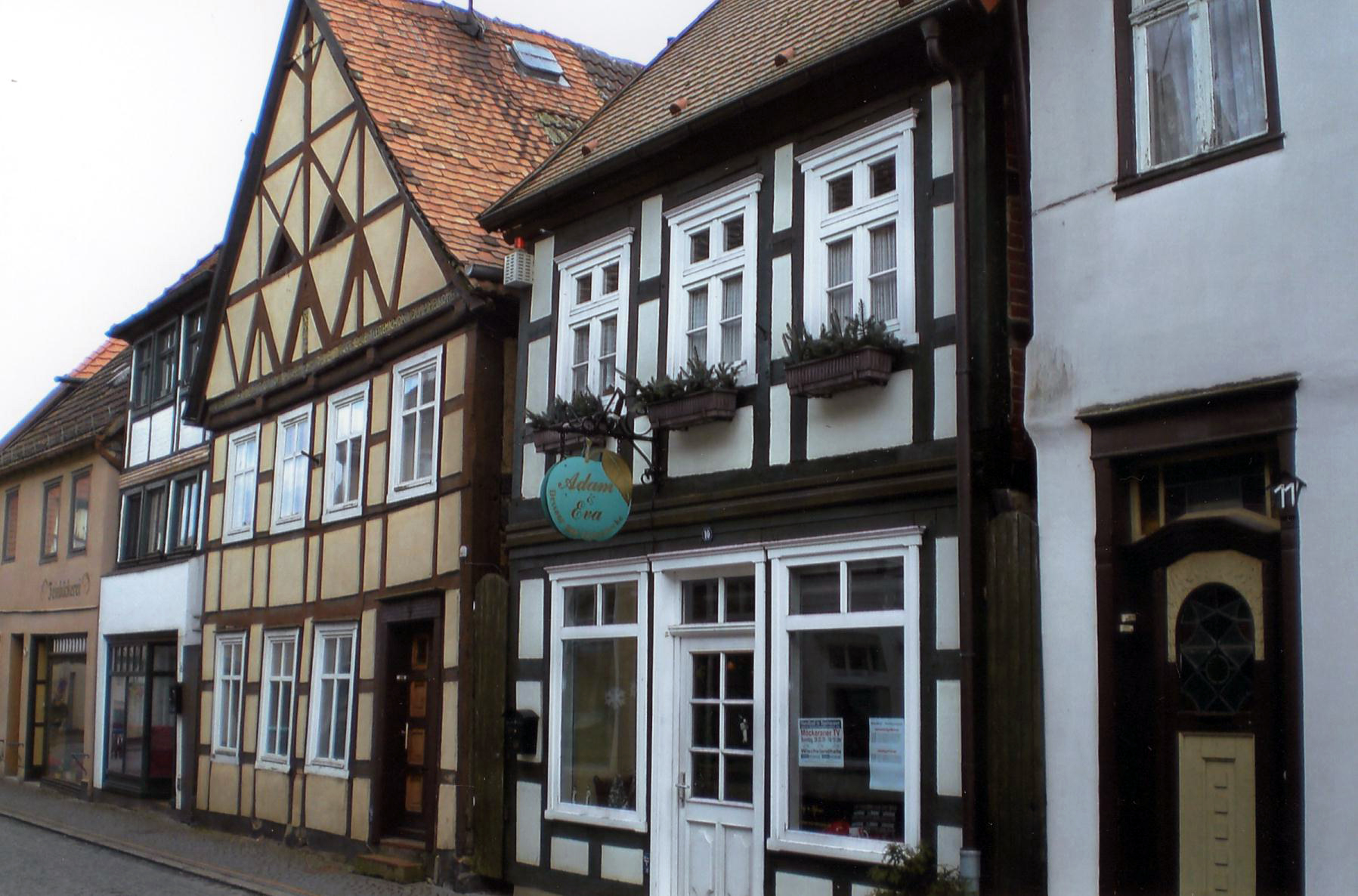
Fig. 1: The historic town center of Seehausen is, to a great extent, characterized by half-timbered houses.
Seehausen achieved economic prosperity, in particular through relations with the Hanseatic League. Located on the River Aland, the shipping route to Hamburg was open to the citizenry. The ships passed through the town of Boitzenburg, where the Aland flows into the Elbe and where a lucrative customs post was located. In 1371, Duke Albrecht II of Mecklenburg had a ship coming from Seehausen stopped here. During an inspection of the loaded cargo, goods had been discovered that belonged to Magdeburg citizens and had not been properly cleared through customs. Corresponding markings were missing. This incident suggests that Magdeburg’s staple right had been circumvented on the overland route to Seehausen, where the goods were loaded onto the ship.[2] The ship belonged to a Seehausen citizen named Hein Fredeland, who hired himself out as a carter and pretended to be innocent. Such services of the inhabitants of Seehausen were probably not uncommon and illustrate the growing livelihood of the citizenry. A guild of garment tailors is documented in Seehausen for the year 1460.
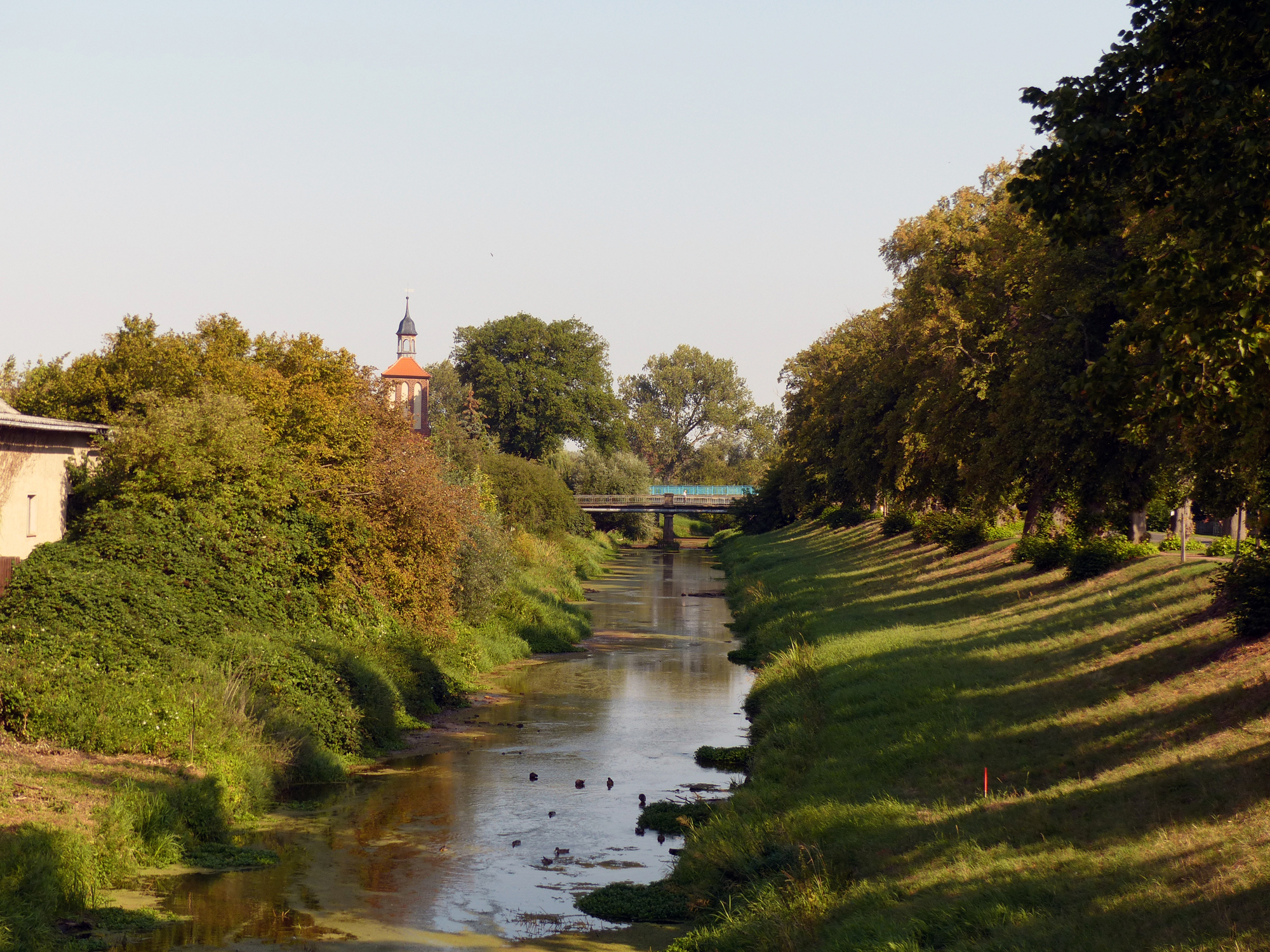
Fig. 2: The River Aland in Seehausen was an important object of council legislation in the Middle Ages.
The Seehausen council had a major share in the economic boom. It continuously pursued an expansion of its rights. The extension of trade played an important role, as can be seen in the acquisition of the so-called Kammerhof (today Kamps) on the Elbe. The council of Seehausen received this estate as a fief from Margrave Jost in 1409. Several decades of systematic development as a transhipment center followed, the ownership of which was confirmed to the town by Margrave Friedrich II in 1449.[3] In addition to shipping, a ferry was operated at the Kammerhof. A castle served to monitor the traffic; renewed as well as expanded dikes were to protect the surrounding countryside from flooding. In 1429, Seehausen acquired a second ferry on the Elbe in Ritfeld, which again shows the council’s interest in river traffic. On the basis of its rights and with various construction measures, it created an important infrastructure that was under municipal ownership and had considerable relevance for the area lying between Altmark, Prignitz and Havelland.
The right of the citizens of Seehausen to take action against robbers and peace-breakers, confirmed in 1340, had an effect far beyond the town’s borders. Margrave Ludwig even waived fines in this context. The council also watched over the Aland, the use of which had to be coordinated with the margrave. In 1481, the council brought an action against a person who had illegally navigated the river with a ship.[4]
When the Hohenzollerns took over as Margraves of Brandenburg in 1411/12, Friedrich I confirmed Seehausen and the other Altmark towns their centuries-old privileges. Nevertheless, the relationship with the sovereigns did not remain unclouded. Like Gardelegen, Stendal and other civic communities in the Altmark, Seehausen had to tolerate interventions in the municipal constitution. This concerned, among other things, a dispute over the Bierziese (beer penny, beer tax) in 1488. In 1502, the sovereign again intervened in the municipal constitution of Seehausen.[5]
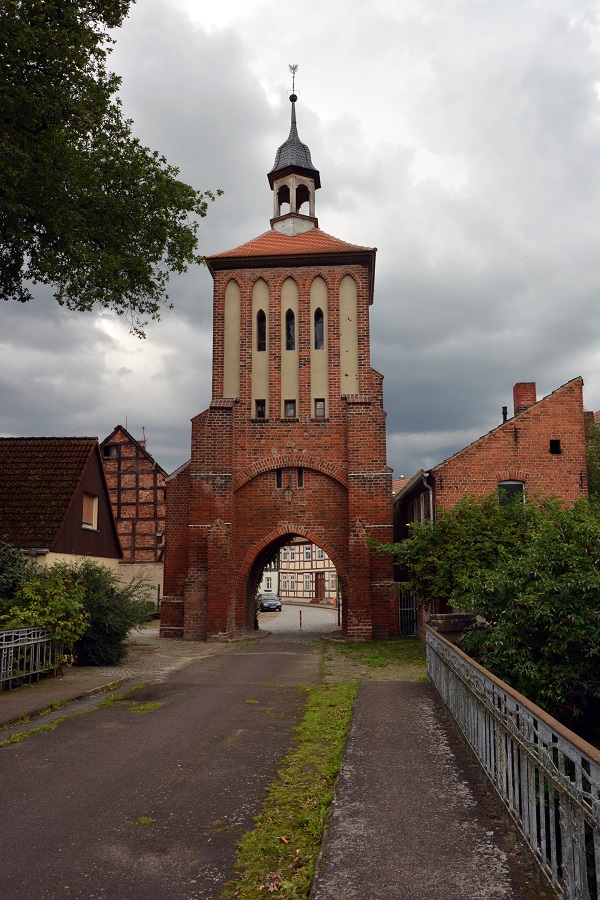
Fig. 3: The Beuster Gate in Seehausen demonstrated civic self-confidence and fortitude.
An important testimony to the legal history of the town of Seehausen is the law book that has survived from the Middle Ages, the contents of which are mixed in a not untypical way and contain both land transactions, hereditary regulations, court records and council statutes. This source, which is valuable beyond Seehausen, offers exciting insights into the lived law of the small town in the Altmark. Here it also becomes evident that the council and aldermen of Seehausen frequently made inquiries to the Magdeburg aldermen and presented their judgments at the court sessions. The town court in Seehausen consisted of the judge and the aldermen as well as the mayor. They met three times during the year for so-called “Dingetagen” (“court days”). Those who could afford it had the possibility to convene more Dingetagen by paying money.
In this manner, for example, a wealthy widow wrote down her will before the council and the aldermen.[6] After her death, she wanted to bequeath parts of her possessions and income to various places of worship, whose clergy would then pray for the salvation of the founder and her relatives. The Seehausen council also received donations, as did the St. Gertrauden Hospital and the town’s Holy Cross Guild. She bequeathed clothes, boxes, robes, sheets and blankets to her nieces, while other clothes of the everyday life and the workday were to be given as donations to poor inhabitants of Seehausen. This confirms both central habits of Magdeburg law and a flourishing charity among laymen in the 15th century.
Author: Sascha Bütow
Citation:
Sascha Bütow, Seehausen. Prosperous Hanseatic Town with Extensive Rights, 08.12.2021, https://magdeburg-law.com/historic-city/seehausen/
Footnotes:
[1] On this, in general, Jan Winkelmann, Die Mark Brandenburg des 14. Jahrhunderts. Markgräfliche Herrschaft zwischen räumlicher „Ferne“ und politischer Krise (= Studien zur brandenburgischen und vergleichendes Landesgeschichte 5), Berlin 2011, p. 168.
[2] Cf. Sascha Bütow, Jeetzel – Aland – Stepenitz: Gedanken zur wirtschaftlichen Nutzung kleiner Flüsse im sogenannten hansischen Hinterland während des Spätmittelalters, in Biuletyn Polskiej Misji Historycznej 14 (2019), pp. 387–409, here pp. 397-398.
[3] Adolf Friedrich Riedel (ed.), Codex Diplomaticus Brandenburgensis, series A, vol. 6, Berlin 1846, no. 51, pp. 373-374.
[4] Georg Wilhelm Raumer, Das Gerichtsbuch der Stadt Seehausen in der Altmark, in Allgemeines Archiv für die Geschichtskunde des preußischen Staates 13 (1834), pp. 167–179, here p. 172.
[5] On this development, in general, Felix Escher, Die Mark Brandenburg unter den frühen Hohenzollern. Eine historische Einführung, in Die Mark Brandenburg unter den frühen Hohenzollern. Beiträge zu Geschichte, Kunst und Architektur im 15. Jahrhundert 8, edited by Peter Knüvener and Dirk Schumann (= Schriften der Landesgeschichtlichen Vereinigung für die Mark Brandenburg N.F. 5), Berlin 2015, pp. 17–34, here p. 32.
[6] Same as note 4, p. 179.
Images:
Fig. 1: Wikimedia Commons, photo: Nephantz!
Fig. 2: Wikimedia Commons, photo: Ulamm
Fig. 3: Wikimedia Commons, photo: Karin Martin